

Waking up before sunrise for a workout. Sneaking in a quick sweat session before breaking fast. Or waiting patiently until after dinner to lace up your shoes.

If you are fasting this month, you have probably asked yourself this question at least once: when is the best time to exercise without feeling drained, dizzy, or discouraged?

The good news is that you do not have to choose between honouring your fast and taking care of your body. With the right timing and the right approach, exercise can actually support your energy levels, metabolism, and weight goals. Let us explore how to make it work for you in a safe and sustainable way.

Understanding Your Body While Fasting

Fasting changes how your body uses energy. Without regular meals throughout the day, your blood sugar levels may dip, and your body gradually shifts towards using stored fat for fuel. This is one reason many people view fasting as a potential window for fat loss.

However, it also means you may feel:

  • Lower energy in the late afternoon
  • Increased thirst and dehydration
  • Muscle fatigue if workouts are too intense

Instead of pushing through extreme routines, this is the month to train smarter, not harder.

If your goal includes weight management, it is also helpful to think beyond just calorie burning. Many individuals exploring a slimming treatment in Singapore are now turning towards holistic approaches that support the body internally, rather than relying on quick fixes. Traditional Chinese Medicine emphasises the balance of internal organs, circulation, and metabolism, which becomes especially relevant during fasting periods.

The Best Times to Exercise While Fasting

There is no single perfect time that works for everyone. It depends on your schedule, fitness level, and how your body responds. That said, here are the most practical windows to consider.

1. Before Breaking Fast in the Evening

For many people, exercising 30 to 60 minutes before breaking fast is one of the most effective options.

Why it works:

  • Your body is already in fat-burning mode
  • You can hydrate and refuel immediately after
  • Recovery becomes easier

This timing is ideal for light to moderate workouts such as brisk walking, gentle cycling, or low-impact strength training. Avoid high-intensity intervals unless you are already well-conditioned and know your limits.

If you feel lightheaded, stop immediately. Safety always comes first.

2. After Breaking Fast at Night

Exercising one to two hours after your evening meal is another excellent option.

Benefits include:

  • Restored hydration
  • Replenished glycogen stores
  • Better strength and endurance

This window is suitable for slightly more intense workouts, including strength training sessions. If you are debating cardio vs weightlifting, strength training can be particularly beneficial during fasting months because it helps preserve lean muscle mass while supporting metabolism.

Keep your meal balanced with protein, complex carbohydrates, and healthy fats, so you have sustained energy rather than a quick spike and crash.

3. Before Suhoor in the Early Morning

This is less common but can work for some individuals.

Light stretching, yoga, or mobility exercises before your pre-dawn meal can gently wake up the body and improve circulation. It is not the best time for intense workouts, as you will be entering a long fasting period without water.

If you choose this timing, keep it short and low impact.

Should You Reduce Workout Intensity?

In most cases, yes.

Fasting is not the time to chase personal records or dramatically increase training volume. Instead, focus on:

  • Maintaining consistency
  • Supporting fat metabolism
  • Preserving muscle
  • Enhancing circulation

This balanced approach aligns closely with the philosophy behind TCM slimming, which prioritises long-term metabolic health rather than drastic measures like crash dieting or slimming pills.

Unlike extreme dieting methods that may show quick but short-lived results, holistic techniques aim to strengthen internal balance. When your organs function optimally and circulation improves, your body becomes more efficient at managing weight naturally.

Supporting Your Metabolism During Fasting

Exercise timing is just one piece of the puzzle. Your internal health matters just as much.

Traditional Chinese Medicine studies the relationship between healthy internal organs and overall well-being. When digestion, circulation, and Qi flow are optimised, your metabolism functions more efficiently.

For example, techniques such as:

  • Guasha, also known as skin scraping therapy, which stimulates blood flow and enhances circulation
  • Specialised suction tools that improve Qi circulation, reduce water retention, remove toxins, and stimulate digestion

These methods are used in structured programmes such as Divine Slim. By improving blood circulation and encouraging better metabolic activity, they support the body’s natural fat-burning processes in a gentle and sustainable way.

This can be especially helpful during fasting, when energy intake is limited and the body needs balanced support rather than stress.

Hydration and Nutrition Tips for Exercising While Fasting

No matter when you choose to exercise, your recovery depends heavily on what you eat and drink during non-fasting hours.

Here are some practical tips:

  • Drink water consistently between breaking fast and bedtime
  • Include lean protein to support muscle repair
  • Choose complex carbohydrates for sustained energy
  • Avoid excessive fried or sugary foods that may cause bloating

It is tempting to overcompensate at night, but large heavy meals can slow digestion and leave you feeling sluggish the next day.

If you are receiving professional guidance as part of a slimming treatment in Singapore, personalised diet advice can make a significant difference. Structured post-treatment support ensures that you are not navigating these changes alone.

Listening to Your Body Is Key

Some days you will feel strong and energised. Other days, especially in the first week of fasting, you may feel more fatigued.

Pay attention to:

  • Persistent dizziness
  • Rapid heartbeat
  • Extreme weakness
  • Severe dehydration

If any of these occur, stop exercising and rest. Fasting should not compromise your health.

Remember, sustainable weight management is not about punishing workouts. It is about building habits you can maintain long after the month ends.

A Holistic Approach to Weight Loss This Month

If fasting has inspired you to reset your health goals, consider looking at your journey more holistically.

TCM slimming techniques focus on safe, non-invasive methods with no dangerous side effects that are often associated with crash diets or supplements. While quick fixes may promise rapid results, they rarely deliver long-lasting change.

Slim Couture’s signature Divine Slim program incorporates specialised techniques such as Guasha and in-house suction tools to enhance circulation, eliminate water retention, stimulate digestion, and boost overall metabolism. Beyond the treatment itself, clients receive post-treatment guidance including dietary advice and comprehensive support to ease the process of mindful eating.

Most importantly, Slim Couture offers a money-back guarantee on your weight loss results. That is a promise designed to give you confidence and peace of mind as you begin your journey.

Conclusion: Finding the Right Balance for You

So, what is the best time to exercise while fasting?

The honest answer is the time that feels sustainable, safe, and energising for your body. For many, that means light to moderate workouts before breaking fast, or strength training after the evening meal. What matters most is consistency and balance.

If you are ready to take a more structured and holistic approach to slimming this month, explore how Slim Couture can support your goals with our Divine Slim program. With expert guidance, specialised techniques, and ongoing support, you can work towards healthy weight loss without extreme measures or harmful side effects.

This month can be more than just a period of fasting. It can be the start of a stronger, more balanced, and healthier you.

When the call to prayer echoes at dawn and dusk, Ramadan becomes more than just a time of fasting. It is a season of reflection, discipline, and renewal. Yet for many, the long hours without food and water can leave you feeling drained, bloated, or struggling with fluctuating energy levels. The key to staying energised and balanced throughout the holy month lies in what you choose to eat during suhoor and iftar.

Instead of focusing on heavy, sugary, or overly processed foods, think of Ramadan as an opportunity to nourish your body deeply. With the right superfoods, you can support digestion, stabilise blood sugar, and even align your efforts with a sustainable weight loss program.

Here are the top 10 nutritious superfoods to include in your Ramadan meal plan.

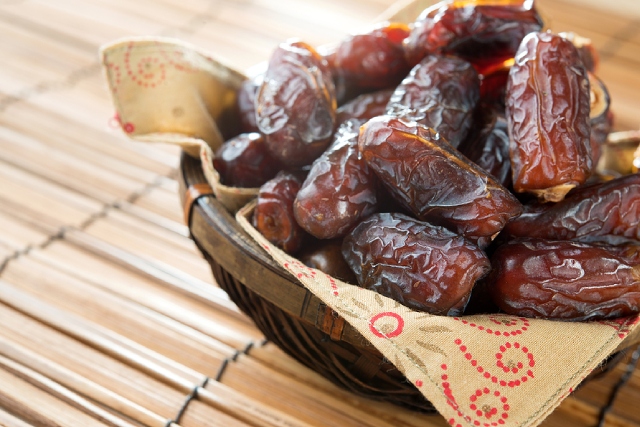
1. Dates

It is no coincidence that dates are traditionally eaten to break fast. Rich in natural sugars, fibre, potassium, and magnesium, dates provide an immediate yet steady energy boost after a long day.

Their fibre content also helps regulate digestion, preventing constipation which is common during fasting. Stick to one to three dates at iftar to replenish your energy without overloading on sugar.

2. Oats

Oats are an excellent suhoor staple. They are packed with complex carbohydrates and soluble fibre, which help release energy slowly throughout the day.

A bowl of oatmeal topped with fruits and nuts can keep you fuller for longer and reduce mid-day hunger pangs. Stable blood sugar levels also mean fewer cravings when it is time to break your fast.

3. Greek Yogurt

Greek yogurt is high in protein and probiotics, making it a fantastic addition to both suhoor and iftar. Protein promotes satiety while probiotics support gut health.

A healthy digestive system is essential during Ramadan, especially when meal timings shift. Pair Greek yogurt with chia seeds or berries for a balanced mini meal.

4. Chia Seeds

Tiny but mighty, chia seeds are loaded with omega-3 fatty acids, fibre, and protein. When soaked, they expand and create a gel-like texture that keeps you feeling full longer.

Adding a tablespoon of chia seeds to smoothies or overnight oats can help reduce overeating at iftar and support those aiming to lose fat holistically during Ramadan.

5. Leafy Greens

Spinach, kale, and other dark leafy greens are rich in iron, calcium, and antioxidants. Fasting can sometimes lead to fatigue, and iron-rich foods help support healthy oxygen circulation in the body.

Leafy greens are also low in calories yet nutrient-dense, making them ideal for anyone mindful of their calorie intake.

6. Lentils

Lentils are a Ramadan classic in many cultures, often served in soups or stews. They are rich in plant-based protein, fibre, and essential minerals.

Because lentils digest slowly, they help maintain stable energy levels. Their high fibre content also supports detoxification, complementing approaches like TCM slimming that focus on balancing internal organs for overall well-being.

Traditional Chinese Medicine teaches that healthy internal organs form the foundation of vitality. By nourishing your body with whole foods like lentils, you naturally support this internal harmony.

7. Salmon

Salmon is an excellent source of high-quality protein and omega-3 fatty acids. These healthy fats reduce inflammation and support heart health.

Grilled or baked salmon at iftar provides satisfying nourishment without the heaviness of fried dishes. Protein-rich meals also help preserve lean muscle mass, which is essential for maintaining a healthy metabolism, especially if you are following a weight loss program.

8. Sweet Potatoes

Sweet potatoes are packed with fibre, vitamin A, and complex carbohydrates. They provide a steady release of energy and help you feel satisfied longer.

Roasted sweet potatoes or mashed versions with minimal seasoning make a wholesome addition to your iftar plate.

9. Almonds

A small handful of almonds can make a big difference. They contain healthy fats, protein, and magnesium.

Almonds are particularly helpful during suhoor as they help curb hunger and stabilise blood sugar. Their healthy fats also support hormone balance, which plays a role in effective and sustainable slimming.

10. Watermelon

Hydration is crucial during Ramadan. Watermelon has a high water content and is rich in vitamins A and C.

Eating hydrating fruits during iftar can help replenish lost fluids and prevent dehydration-related fatigue. You can also include cucumbers and oranges for added hydration.

Supporting Healthy Weight Goals During Ramadan

Ramadan is often seen as a time to shed excess weight, yet many people find themselves gaining weight due to overeating at night. The solution is not extreme restriction or crash dieting. Quick fixes such as slimming pills may promise rapid results, but they often come with side effects and short-lived outcomes.

Instead, consider focusing on balanced nutrition and holistic care. TCM slimming techniques, for example, are designed to work with your body rather than against it. Rooted in Traditional Chinese Medicine, these methods focus on improving circulation, supporting digestion, and enhancing metabolism by ensuring that internal organs function optimally.

At Slim Couture, the Divine Slim program integrates specialised techniques such as Guasha, also known as skin scraping therapy. This technique stimulates blood flow and enhances circulation, which supports better metabolism. In-house specialised suction tools are also used to improve the circulation of Qi, reduce water retention, and eliminate toxins. By supporting your body’s natural processes, you can achieve results without harmful side effects.

Post-treatment guidance is equally important. Expert consultants provide ongoing support and comprehensive diet advice so you can maintain your results even beyond Ramadan.

When paired with nutrient-rich superfoods and mindful eating habits, these approaches can help you lose weight holistically while preserving your health and energy.

Conclusion: Making the Most of Ramadan

Ramadan is not just about abstaining from food. It is about cultivating discipline, gratitude, and self-awareness. By choosing wholesome superfoods and avoiding excessive fried or sugary dishes, you honour both your spiritual and physical well-being.

Small, consistent changes often yield the most lasting results. Focus on balanced plates, adequate hydration, and gentle support for your metabolism. If you are looking for a safe and effective way to enhance your slimming journey during and after Ramadan, consider exploring professional guidance.

Discover how Slim Couture’s signature Divine Slim treatment can support your goals with safe, proven TCM-based techniques and a money-back guarantee on your results. Take the first step towards a healthier, more confident you today by visiting Slim Couture and begin your journey to sustainable weight loss the smart way.

Chinese New Year always arrives with warmth, laughter, and tables filled with food made to be shared. Pineapple tarts passed around during catch-ups, reunion dinners that stretch late into the night, and spontaneous Lo Hei sessions that feel impossible to say no to. Then one morning after the festivities slow down, you step on the scale and pause. The number looks unfamiliar. Cue the guilt, the self-blame, and the urge to “fix it” immediately.

If this sounds familiar, take a breath. CNY weight fluctuations are not only common, they are completely normal. Understanding why they happen and how to respond calmly makes all the difference in how your body and mind recover after the festive season.

Why the Scale Changes After Chinese New Year

Weight gain after Chinese New Year is often misunderstood. Most people assume it is pure fat gain, but in reality, the body responds to festive habits in several ways.

During CNY, meals tend to be richer in sodium, carbohydrates, and sugar. These cause the body to retain water. Late nights, irregular sleep, and alcohol also affect hormones that regulate appetite and digestion. Add reduced movement during holiday gatherings and the body simply holds on to more than usual.

This is why many people notice weight increases of one to three kilograms almost overnight. The good news is that a large portion of this is water retention and digestive slowdown, not permanent weight gain.

A Gentle Perspective From Traditional Chinese Medicine

Traditional Chinese Medicine views the body as an interconnected system. Digestion, energy flow, and emotional balance are deeply linked. From a TCM perspective, festive weight fluctuations are a sign that the digestive system and internal organs are temporarily overworked.

Foods commonly eaten during Chinese New Year are warming, oily, or sweet. When consumed in excess, they can weaken the spleen and stomach, leading to sluggish digestion, bloating, and water retention. This imbalance often shows up as heaviness in the body rather than true fat accumulation.

This is why TCM weight loss focuses less on restriction and more on restoring balance. Instead of punishing the body, the goal is to support the organs so they can function optimally again.

Why Crash Diets Make Things Worse

The moment the scale goes up, many people feel tempted to skip meals, detox aggressively, or rely on weight loss supplements. While these methods promise fast results, they often backfire.

Crash diets stress the body, slow down metabolism, and disrupt digestion even further. Slimming supplements may show quick weight drops, but these results are rarely sustainable and often come with unpleasant side effects. The body reacts defensively, holding on to fat and water once normal eating resumes.

In contrast, TCM weight loss takes a longer-term approach that works with your body rather than against it. This method prioritises internal health, ensuring weight loss happens steadily and sustainably.

Understanding Emotional Eating During Festive Seasons

Chinese New Year is not just about food. It is about connection, tradition, and emotion. Many people eat more not because they are hungry, but because food symbolises love and togetherness.

Recognising this removes unnecessary guilt. Emotional eating during festive periods is human. Responding with kindness instead of punishment allows the body to settle naturally. This mindset shift is often the first step toward lasting change.

How to Respond Calmly After CNY

Rather than rushing into extreme measures, focus on gentle resets that support your body.

Start by returning to regular meal times. Consistency helps the digestive system regain rhythm. Choose warm, nourishing foods that are easy to digest. Soups, steamed vegetables, and lean proteins are especially helpful in reducing bloating.

Hydration also plays a major role. Drinking sufficient water signals the body to release retained fluids. Light movement such as walking or stretching supports circulation and lymphatic drainage without stressing the body.

Most importantly, avoid obsessively checking the scale. Weight naturally fluctuates daily, especially after festive seasons.

The Role of Professional Support

For many women, post-CNY weight concerns are not just physical but emotional. This is where professional guidance becomes valuable.

A trusted slimming centre in Singapore that specialises in holistic approaches understands that weight loss is not one-size-fits-all. Instead of generic advice, personalised treatments help address the root causes of weight fluctuations.

TCM weight loss treatments focus on improving digestion, circulation, and metabolism so the body naturally returns to balance.

How Slim Couture Supports Healthy Post-CNY Recovery

At Slim Couture, weight loss is approached through Traditional Chinese Medicine principles that prioritise internal health and long-term results.

Our signature Divine Slim programme is designed to restore balance without harsh dieting or supplements. Treatments work gently with the body, making them suitable even after festive indulgence.

Specialised techniques used include Guasha, also known as skin scraping therapy. This technique stimulates blood flow, improves circulation, and supports metabolism. When circulation improves, the body becomes more efficient at processing excess fluids and waste.

Slim Couture also uses in-house specialised suction tools that help improve the circulation of Qi across the body. These tools are known to reduce water retention, stimulate digestion, and support overall metabolic function. Many clients notice reduced bloating and a lighter feeling after just a few sessions.

Why Sustainable Weight Loss Takes Time

One of the biggest misconceptions about weight loss is that faster is better. In reality, sustainable results come from consistency and patience.

TCM slimming techniques are not about drastic changes. They are about helping your body function optimally so weight loss becomes a natural outcome. This approach often leads to results that last longer than those achieved through crash diets or slimming pills.

Slim Couture reinforces this philosophy by offering post-treatment support. Our team provides guidance on nutrition and lifestyle, helping clients ease back into routine without feeling overwhelmed.

Post-Treatment Guidance That Makes a Difference

Weight loss does not end when a session is over. Ongoing support is what helps results last.

After treatments, Slim Couture’s experts remain available to guide clients through dietary choices and daily habits. Instead of rigid rules, advice is practical and realistic, making it easier to stay consistent even during busy periods.

This supportive approach ensures that clients feel empowered rather than restricted, which is essential for long-term success.

A Healthier Mindset Moving Forward

Chinese New Year weight fluctuations are a temporary response to celebration, not a personal failure. When you respond with understanding instead of urgency, your body recovers more smoothly.

By choosing gentle, proven methods rooted in Traditional Chinese Medicine, you allow weight loss to happen naturally and sustainably.

Ready to Reset After CNY?

If you are looking for a healthier, more balanced way to manage post-CNY weight concerns, consider Slim Couture’s Divine Slim programme. With TCM-based treatments, personalised guidance, and a money-back guarantee, Slim Couture supports your journey every step of the way.

Contact us today to begin your post-festive reset with confidence and care.

The aroma of freshly baked pineapple tarts, the crunch of love letters, and the joy of reunion dinners are some of the moments that make Chinese New Year so special. For many of us, these celebrations are deeply tied to food, laughter, and togetherness. Yet, once the festivities wind down, it is common to feel a quiet sense of guilt creeping in. You may find yourself wondering if enjoying all those festive treats has set back your health goals.

The good news is that enjoying Chinese New Year does not have to mean choosing between celebration and well-being. With the right mindset and a balanced approach, it is entirely possible to savour your favourite CNY treats while still caring for your body in a gentle, sustainable way.

Why Guilt-Free Enjoyment Matters

Food is not just nourishment. It is culture, comfort, and connection. When celebrations are paired with guilt, stress levels rise and that emotional tension can sometimes do more harm than the food itself. Stress affects digestion, sleep quality, and even weight management. Instead of focusing on restriction, a kinder approach starts with understanding balance.

Rather than seeing CNY as a period of indulgence you need to compensate for later, it helps to view it as part of your life rhythm. Festive eating, when approached mindfully, does not undo months of healthy habits. What truly matters is what you do consistently before and after the celebrations.

A Balanced Festive Mindset

Balance begins with mindset. Instead of labelling foods as “good” or “bad,” think in terms of frequency and portions. A slice of bak kwa enjoyed with family is very different from mindless snacking throughout the day. When you are present and intentional, you tend to eat less and feel more satisfied.

This is where crafting a balanced diet plan becomes essential. A balanced plan is not about eliminating festive foods. It is about anchoring your meals with nourishing options, staying hydrated, and allowing flexibility so that enjoyment does not turn into excess.

The TCM Perspective on Festive Eating

Traditional Chinese Medicine offers a refreshing lens on health, especially during festive periods. TCM slimming in Singapore focuses on harmony within the body rather than quick fixes. It views weight management as closely linked to the health of internal organs such as the spleen, stomach, and liver.

From a TCM perspective, overeating rich or sugary foods during Chinese New Year can disrupt Qi flow and weaken digestion. This may lead to bloating, water retention, and sluggishness. The solution is not extreme dieting but restoring balance gently.

By supporting digestion and circulation, TCM slimming encourages your body to process festive foods more efficiently. This approach is particularly relevant during Chinese New Year, when meals are heavier and routines are disrupted.

Simple Ways to Stay Balanced During CNY

You do not need drastic measures to stay on track during the festive season. Small, thoughtful habits can make a meaningful difference.

Start your day with a warm, nourishing breakfast. Soups, oats, or herbal teas can support digestion and prepare your body for richer meals later in the day.

Listen to your hunger cues. Eat when you are hungry and stop when you feel comfortably full. Festive abundance does not mean you need to try everything at once.

Stay active in ways that feel natural. A post-meal walk with family or light stretching at home helps stimulate circulation and ease digestion.

Most importantly, release the pressure to be perfect. Balance is about consistency, not control.

When Extra Support Makes a Difference

Even with mindful habits, some people find it challenging to manage weight during festive periods. Hormonal imbalances, slow metabolism, or stress can make it harder to bounce back after celebrations. This is where professional guidance can be helpful.

Choosing a trusted slimming centre in Singapore allows you to receive personalised support tailored to your body’s needs. Instead of relying on crash diets or slimming pills, which often come with risks and short-lived results, a holistic approach focuses on long-term well-being.

A Gentler Way to Slim with TCM

Unlike extreme dieting methods, TCM-based approaches emphasise safety and sustainability. They work with your body rather than against it. At Slim Couture, the Divine Slim programme is designed with this philosophy in mind.

TCM slimming techniques used in Divine Slim support natural metabolic processes without introducing harmful side effects. While crash diets may offer fast results, they are often difficult to maintain. TCM methods, on the other hand, aim to create lasting change by improving circulation, digestion, and internal balance.

Specialised Techniques That Support Balance

One of the key strengths of TCM-based slimming lies in its specialised treatments that complement dietary adjustments.

Guasha, also known as skin scraping therapy, uses specialised tools to stimulate blood flow. By encouraging better circulation, Guasha supports metabolism and helps the body process excess fluids more efficiently. Many clients find that it leaves them feeling lighter and less bloated, especially after periods of rich eating.

In-house specialised suction tools are another technique used to improve the flow of Qi across the body. These tools help eliminate water tension, support digestive function, and encourage detoxification. By stimulating the digestive system, they contribute to an overall increase in metabolism in a gentle, non-invasive way.

Support That Continues Beyond Treatment

A balanced approach to slimming does not end when a session is over. Ongoing guidance is essential, especially after festive seasons like Chinese New Year. At Slim Couture, post-treatment support is a key part of the journey.

Our team of experts provides advice on diet and nutrition, helping you ease back into your routine without stress. With a comprehensive diet plan and consistent guidance, you are supported every step of the way. This ensures that the habits you build are realistic and sustainable, even during busy or festive periods.

Moving Forward After the Festivities

Chinese New Year is a time of renewal, making it the perfect opportunity to reset your relationship with food and your body. Instead of punishing yourself for enjoying festive treats, focus on gentle realignment. Nourish your body, move with intention, and seek support when needed.

Health is not about deprivation. It is about care, balance, and understanding what your body needs at different stages of life.

A Healthier Way to Enjoy Every Season

You deserve to enjoy celebrations without guilt and pursue your health goals without fear. If you are looking for a supportive, holistic way to manage your weight after Chinese New Year, consider exploring Slim Couture’s Divine Slim programme.

With safe TCM slimming techniques, personalised guidance, and a money-back guarantee on results, Slim Couture is committed to helping you lose weight healthily and confidently. Get in touch with us today to take the first step towards balance, not just for CNY, but for every season ahead.

Open chat