
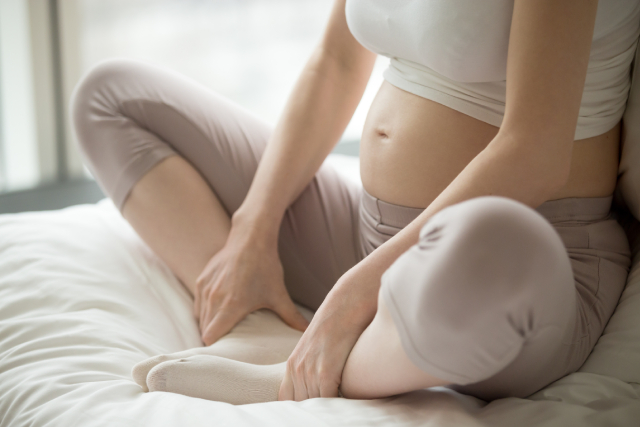
You have done something incredible. You grew a whole human being, and your body worked overtime for months to make that happen. So if your tummy looks and feels different now compared to before pregnancy, that is simply evidence of everything you have been through, and there is nothing wrong with that. Wanting to feel more like yourself again is completely valid, and more mums feel this way than you might think.
The “mummy tummy,” as it is affectionately (and sometimes frustratingly) known, is something many mothers quietly struggle with long after giving birth. For some, it lingers for months. For others, years. And no amount of sit-ups seems to shift it. If that sounds familiar, you are far from alone, and the good news is that there are genuinely helpful approaches out there that go beyond generic advice.
Why the Tummy is the Trickiest Part
The abdominal area takes the brunt of pregnancy in ways that go deeper than the skin. One of the most common and least talked about conditions is diastasis recti, which is the separation of the abdominal muscles that occurs as the uterus expands during pregnancy. Studies suggest this affects a significant proportion of postpartum women, and it can make the belly appear rounded or pouchy even when overall weight has returned to pre-pregnancy levels.
This is why targeting the mummy tummy requires more than just calorie-cutting or cardio. The core has been structurally altered, and recovery needs to account for that. TCM slimming approaches, for instance, take a whole-body view of postnatal recovery, looking at internal imbalances, circulation, and the body’s natural ability to heal and re-tone over time.
Start with What You Can Control: Nutrition and Hydration
Eating well as a new mum sounds simple in theory, but between feeding schedules and sleep deprivation, it often falls to the bottom of the list. The key here is not restriction but nourishment, because your body is still recovering, and if you are breastfeeding, it needs adequate fuel to produce milk and repair tissue simultaneously.
A few principles that make a real difference:
- Prioritise protein at every meal to support muscle repair and keep you feeling satisfied for longer.
- Include plenty of fibre-rich vegetables to reduce bloating and support digestion, both of which directly affect how your midsection looks and feels.
- Stay consistently hydrated, as water retention and puffiness around the belly are often worsened by not drinking enough throughout the day.
- Reduce ultra-processed foods and excess sodium, which can contribute to inflammation and water retention around the abdomen.
Movement That Actually Helps
This is where many postnatal women go wrong, because they go too hard, too soon. High-impact exercise before the core and pelvic floor have properly recovered can do more harm than good and may even worsen diastasis recti if the underlying separation has not been addressed first. The goal in the early months is to rebuild gradually rather than to push through intense sessions.
Deep core breathing and gentle pelvic floor activation are usually the areas physiotherapists recommend starting with. From there, low-impact movements like walking, swimming, and Pilates-style exercises allow you to build strength progressively without overloading healing tissues. As recovery progresses, more targeted strength training of the abdominal and oblique muscles can help reshape the waistline over time.
Postnatal recovery does not follow a straight line, and the timeline looks different for every woman. Comparing yourself to someone who seemed to “snap back” in weeks is rarely useful or accurate, especially since social media highlights are never the full picture of anyone’s journey.
Holistic and Professional Support
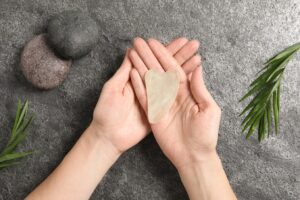
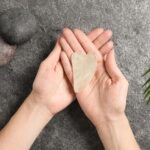
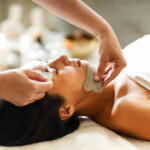
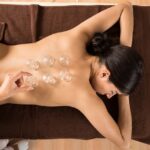
Beyond diet and exercise, many mums explore additional support to help their bodies along. TCM-based treatments such as gua sha and cupping have long been used in postnatal care across Asian cultures, with a focus on improving circulation, reducing fluid retention, and restoring balance to the body from within. These approaches are increasingly popular in Singapore as part of a broader, more holistic view of postnatal wellness, and there is plenty to consider when looking at slimming solutions for mums who want to approach recovery thoughtfully.
Professional slimming programmes that combine body treatments with nutritional guidance offer a more structured path for mums who want personalised support rather than a one-size-fits-all plan. The important thing is finding one that is grounded in your overall health and wellbeing, and not just focused on aesthetics alone.
A Fresh Start, One Step at a Time
Reclaiming your body after pregnancy is a journey that deserves both compassion and the right kind of support, with no deadline attached and no single correct method to follow. The best approach is simply the one that works for your body, your lifestyle, and where you are right now.
If you are ready to take a more intentional step towards feeling your best, Slim Couture’s Divine Slim™ programme combines TCM-based treatments with expert guidance to help you reshape and rebalance from the inside out. Book a consultation and start your journey on your own terms.