
The weeks and months after having a baby are full of adjustments, and somewhere between the feeds, the nappy changes, and the sheer exhaustion, many new mums start wondering when and how they can begin feeling more like themselves physically. The desire to tone up after giving birth is completely natural, but the way you go about it matters enormously, both for your results and for your long-term health.
The Body Needs Time Before It Needs a Workout
Most healthcare providers recommend waiting until at least 6 weeks postpartum before returning to any structured exercise, and that is for vaginal births with no complications. For those who have had a caesarean section, the recovery timeline is typically longer, often closer to 8 to 12 weeks, and always subject to individual medical clearance. These are not arbitrary numbers; they reflect how long the body genuinely needs to begin healing the deep internal structures that pregnancy and birth have affected.
Jumping back into exercise too quickly is one of the most common postnatal mistakes, and it can lead to issues like pelvic floor dysfunction, worsened diastasis recti, or joint injuries that take far longer to recover from than simply waiting a little longer at the start. Patience in the early weeks is genuinely the faster route to lasting results.
Start from the Inside Out
Before working on visible tone, it pays to rebuild the foundation first. The pelvic floor and deep core muscles are most affected by pregnancy and birth, and strengthening them early creates the foundation on which everything else builds. Simple diaphragmatic breathing exercises, gentle pelvic floor contractions, and heel slides are a good starting point, none of which look dramatic but all of which make a meaningful difference to how the body responds to more active exercise later on.
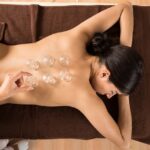
A useful way to think about postnatal recovery is in phases. The first phase, roughly the first 6 to 8 weeks, is about rest, gentle reconnection with the body, and nourishment. The second phase introduces low-impact movement, and the third phase, typically from around 3 to 4 months onwards, is where more structured toning work becomes appropriate for most women. Alongside these phases, some mums also explore cupping for weight loss as part of their broader recovery routine, particularly for its role in improving circulation during the earlier, less active stages.
Low-Impact Exercise That Delivers Real Results
Once cleared for exercise, the good news is that heavy or high-impact workouts are not necessary to see real changes in muscle tone and body composition. Walking is consistently underrated as a postnatal tool; it supports cardiovascular health, boosts mood through endorphin release, and can be done with a pram from early on. From there, Pilates and yoga-based movements are particularly well suited to the postnatal body because they emphasise controlled, mindful movement that rebuilds strength without overloading healing structures.
Resistance training with bodyweight or light bands becomes increasingly effective as recovery progresses, targeting areas such as the arms, glutes, and core to build visible tone over time. The key throughout is to listen to the body and progress gradually, rather than pushing through discomfort in pursuit of faster results.
Nutrition as Part of the Reset
Toning up after birth is as much about what you eat as how you move, and this is an area where many new mums either over-restrict or overlook altogether. If you are breastfeeding, your body needs additional calories and nutrients to support milk production, making aggressive calorie cutting both counterproductive and potentially harmful.
The focus should be on eating enough of the right things: protein to support muscle repair and satiety, complex carbohydrates for sustained energy, and plenty of vegetables and water to support digestion and reduce bloating, which postnatal bodies are particularly prone to, as the bloating and tummy fat connection is often more closely linked than people realise.
Holistic Support for the Postnatal Body
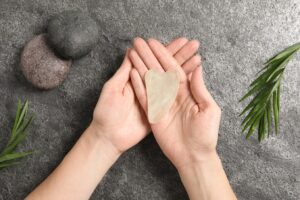
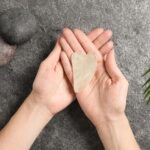
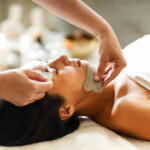
Beyond exercise and nutrition, many women find that holistic treatments play a valuable supporting role in their postnatal reset. TCM-based therapies such as gua sha and cupping have long been part of traditional postnatal care across Asian cultures, used to improve circulation, address fluid retention, and support the body’s internal recovery. These treatments work alongside rather than instead of lifestyle changes, and for many mums, they make a noticeable difference to how the body looks and feels during recovery.
Your Reset, Your Pace
Toning up after birth is a process that rewards consistency and self-compassion far more than it rewards urgency. Everybody recovers differently, and comparing your timeline to anyone else’s, especially curated images online, serves very little purpose. If you are ready to take a more guided approach to your postnatal reset, Slim Couture’s Divine Slim™ programme is designed to support women through exactly this kind of journey, combining TCM-based treatments with personalised guidance. Book a consultation and take that first step on your own terms.